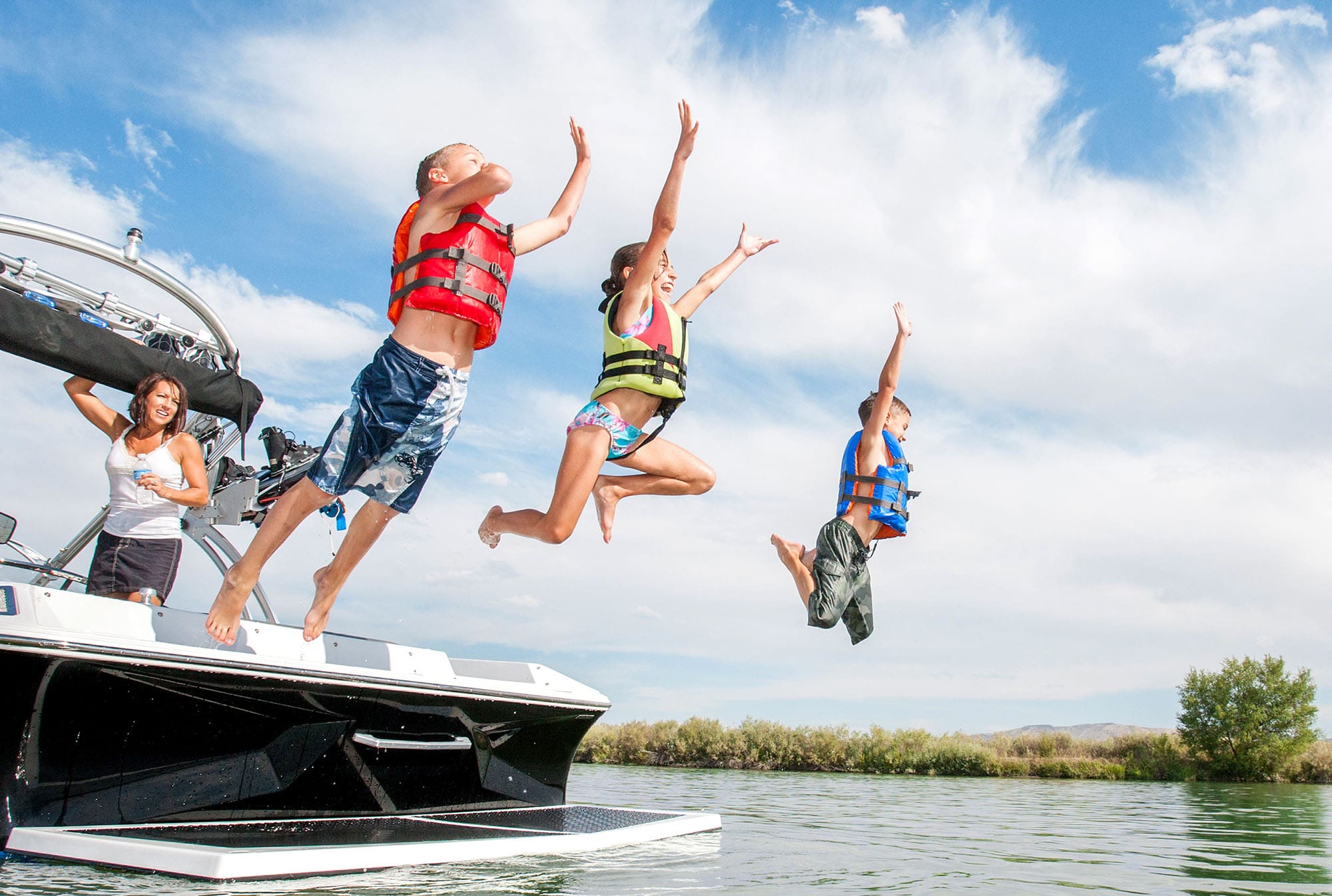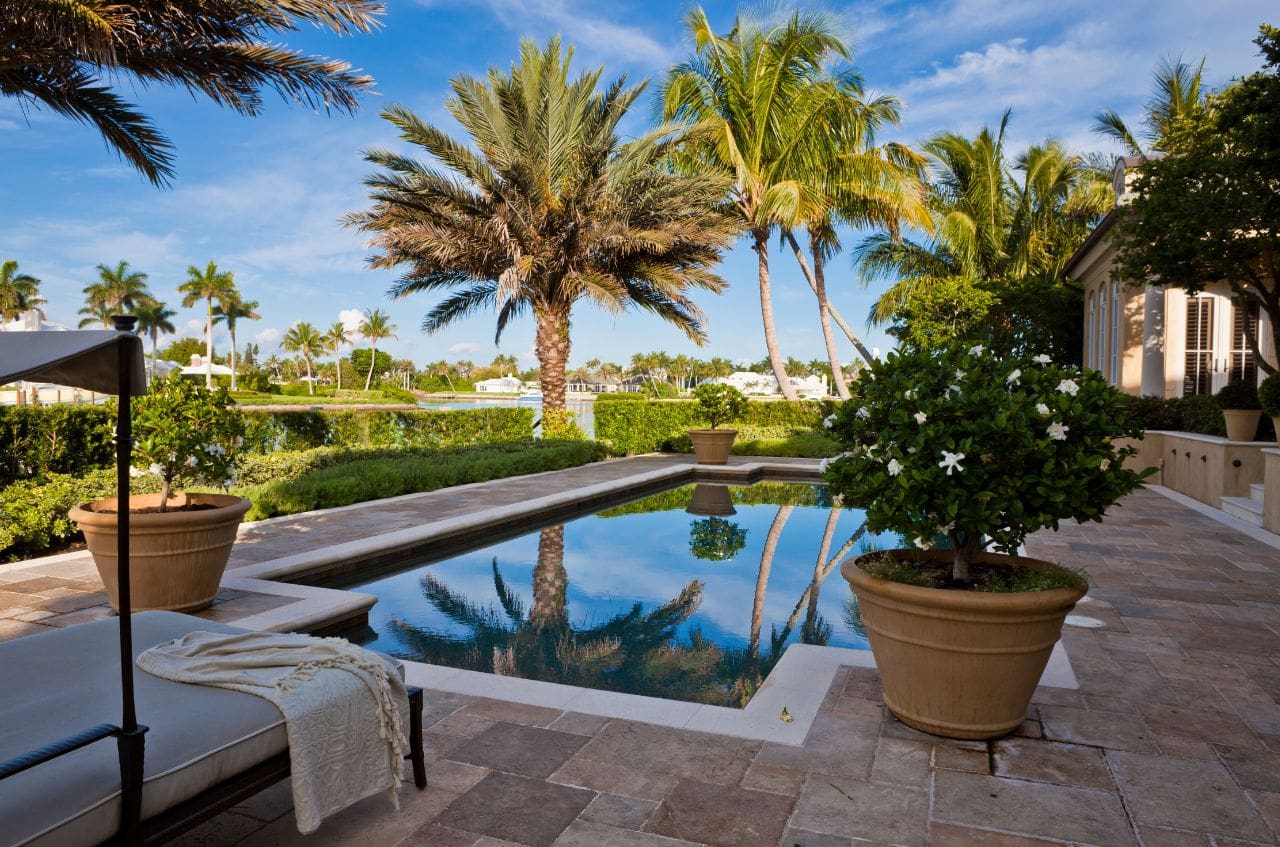
Did you know that there are 10.4 million residential swimming pools in the United States? That’s a lot of pools. Whether one of those 10.4 million or you’re looking to install a pool, understanding the basics of pool insurance can help you make sure you and your family are fully protected.
Read on to learn about pool insurance requirements and your protection options.
How does a pool affect homeowners’ insurance?
Your homeowners’ insurance policy usually covers pools. The amount of coverage and what part of your insurance it falls under differs depending on the insurance company and type of pool you have. For example, some insurance companies may cover an in-ground swimming pool under the “other structures” part of your home insurance, while above-ground swimming pools may get covered under the “personal property” portion.
Another factor you need to consider when it comes to your pool is liability insurance. Home insurance policies for houses with pools generally require higher liability coverage because pools have a greater chance of leading to injury–especially when there are additional hazards present, like diving boards. This liability coverage will help protect you from costs like legal fees or medical bills if a guest is hurt in your home.
Depending on the liability coverage limits on your homeowners’ insurance, it may be beneficial to add an umbrella insurance policy to cover any liability amount not covered in your standard policy. For example: if your homeowners insurance covers liabilities up to $300,000 and you need coverage for up to $500,000, you would need an umbrella policy to make up the difference.
It is important to talk to your insurance company about your pool and how it could impact your homeowners’ insurance coverage and premiums. They will be able to help you understand your coverage options so you can secure your property and lower any possible liability risks.
What pool insurance does and doesn’t cover?
While it depends on what part of your home insurance your pool falls under, typically, damages to your pool would be covered as long as they are considered covered perils. Covered perils generally include:
Natural perils –natural disasters, such as:
- windstorm
- lighting strike
- fire
- fallen trees
Human perils – damages caused by a person, such as vandalism
What isn’t covered by insurance will be things like normal wear and tear. If you need to replace a motor because it’s old or pool lining due to tearing, your insurance won’t cover the costs of these types of expenses. If you haven’t maintained your pool regularly, any damages due to negligent maintenance would also not be covered. Additionally, it’s important to keep in mind that if you live in an area that experiences earthquakes or floods, these natural disasters are not included in a standard homeowners’ policy. So, damages resulting from earthquakes or floods wouldn’t be covered either.
What are the pool safety requirements?
Unfortunately, 74 percent of pool fatalities happen in residential swimming pools. This is why many insurance companies require safety features. Your insurance company wants to be sure you are decreasing the likelihood of accidents by taking the necessary measures to make your pool safe. Requirements will vary by state, but below we have listed general requirements and safety features that could help decrease your premium:
Install a fence
Most insurance companies will require that you install a lockable fence. It should be childproof and be at least 4 feet high around the pool. This will help deter children, unwanted guests, or animals from entering your pool without your knowledge or supervision.
A backyard fence would qualify as the required fence. However, if you have children in the home, consider additional features for pool safety.
Safety lights
Lighting should be installed around the pool to make sure all areas have proper visibility.
Diving boards and slides
Diving boards and slides may not be covered. However, once again, this is dependent on the insurance company. At the very least, you can expect strict safety requirements. For example, your diving board must have a non-skid surface, and your slide must meet the manufacturer’s requirements for depth, height from water, and upslope.
Lock/remove ladder
Some insurance companies may require you to lock the ladder on an above-ground pool or remove it altogether when it is not in use.
Pool alarm
While it isn’t typically a requirement, installing a pool entry alarm may help lower your premium. These alarms notify you when motion has been detected in the water so you can stay alert for possible accidents.
Now that you have a better understanding of pool insurance requirements, are you ready to go for a swim? Make sure you’re properly insured before diving in.
We’re passionate about protecting clients and their families. Contact us today to talk to a licensed insurance professional about insuring your pool.