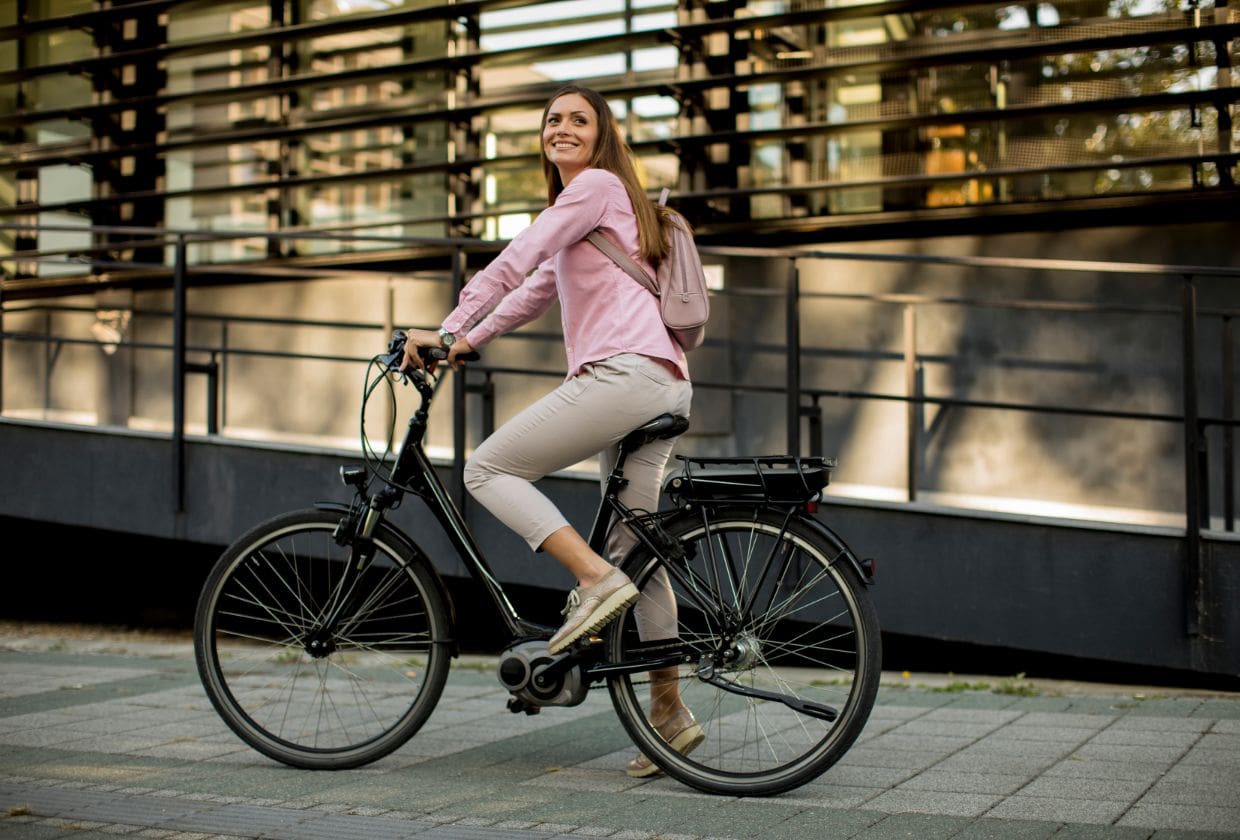
In recent years, electric bicycles, commonly referred to as e-bikes, have skyrocketed in popularity across the United States — both as a cheaper form of transportation and a more expensive form of recreation.
With their eco-friendly appeal and efficient propulsion capabilities (you don’t have to pedal up a hill with an e-bike), many riders are switching to electric biking. This includes an entire industry of food deliverers in urban towns and cities.
Just how popular are e-bikes? Well, sales of traditional pedal-powered bicycles declined by 16 percent last year, while e-bike sales saw a $100 million increase. In fact, according to a Business Insider article, e-bike sales soared from $240 million to over $885.5 million from 2019 to 2022.
As e-bikes become more and more common, the question of insurance is bound to come up: Do you really need to insure your electric bike?
What are the risks of not having e-bike insurance?
Before diving into the insurance aspect, let’s take a moment to recognize the potential risks of owning an electric bike.
Like traditional bicycles, e-bikes are open to accidents, theft, and damage. Like cars, they often share the same roads with larger vehicles, increasing the likelihood of collisions. And if there are bike lanes in your area, collisions with other riders.
Additionally, the cost of replacing an e-bike can be expensive: In early 2023, Ride1Up – a leader in e-bike info, wrote that the average price tag is between $2,000 and $3000. However, prices range as low as $300 or as high as $8,000 or more.
And, according to e-bike Generation, e-bike owners spend, on average, around $100 to $150 on replacement parts every year, with professional repair service fees adding another $150.
All these costs are prompting e-bike riders to seriously consider protective measures.
Is e-bike insurance covered in your property insurance policy?
For many e-bike owners, their homeowner’s insurance, condo insurance, or renter’s insurance is the first line of defense against theft or damage. But before relying on such a policy, make sure to review it carefully to be certain that it covers personal belongings, including an electric bike.
Older policies may have been established before the e-bike craze even started. Newer policies may limit coverage for high-value items like e-bikes or require additional endorsements to provide adequate protection.
What about dedicated e-bike insurance?
As the popularity of e-bikes continues to rise, insurance providers are recognizing the need for specialized coverage. You may come across riders with dedicated e-bike insurance policies that offer made-to-measure protection for electric bike owners, filling gaps that still exist in some traditional homeowners or renter’s insurance policies. These policies may cover theft and accidental damage at the basic level and liability and even medical expenses related to e-bike accidents at the upper tier.
State-specific regulations
When evaluating e-bike insurance, it’s important to take into account state-specific regulations that may be in place — and understand that new legislation is popping up all the time. While electric bikes are generally classified as bicycles, some states may have specific requirements or exemptions, especially surrounding where they can be used.
For example, the increasingly rampant use of e-bikes on city and suburban sidewalks is causing many municipalities to enforce regulations against their off-street use in order to keep pedestrians safe.
Also, because they are like electric cars — meaning they pretty much operate silently — some regional regulations are considering requiring a form of bell or horn to alert pedestrians of an oncoming e-bike. This is especially important as e-bikes can go much faster than regular pedal-powered bicycles and, therefore, can cause a lot more damage if involved in a collision.
Understanding local laws will help you make informed decisions about the type and amount of insurance coverage you need.
How to decide if you need e-bike insurance
Ultimately, the decision to insure your electric bike depends on your individual circumstances and preferences. Consider the following factors:
- Local requirements: Does the local government where you plan to use the bike require owners/operators to have insurance? Some areas may require liability insurance for e-bike riders, especially if the electric bike exceeds certain speed limits or power thresholds. It’s crucial to be aware of and comply with local laws regarding e-bike insurance.
- Frequency of use: If you use your e-bike daily for commuting or leisure, the risk of accidents or theft may be higher, justifying the need for insurance coverage.
- Storage conditions: Where and how you store your e-bike can impact its vulnerability to theft or damage. Insurance may be a wise investment if you park it in public spaces or in high-crime areas.
- Value of the bike: As mentioned before, high-end electric bikes can be significant investments. Insurance can provide financial security if the cost of replacement or repair could break the bank for you.
- Personal financial considerations: Even if insurance is not mandatory, riders may choose to carry liability coverage for personal financial protection. In the event of an accident where the e-bike rider is at fault, liability insurance can help cover medical expenses, property damage, and legal costs.
Pedal on
As e-bikes become more integrated into our daily lives, riders should stay informed about local regulations and insurance options. Choosing the right insurance coverage helps ensure that e-bike riders are properly protected in the event of accidents or collisions with others.
While e-bike insurance is not mandatory in most cases, it offers electric bike owners a layer of protection and peace of mind. Having the right insurance coverage allows you to enjoy your electric bike with less worry.
Considering your specific needs, reviewing existing insurance policies, and exploring dedicated e-bike insurance options can help you make an informed decision about covering your electric bike. Want to discuss your particular situation and have us do the legwork to get you some insurance options? Contact us, and we’ll be happy to help.