Hurricanes can cause widespread damage to homes, posing threats such as high winds, flooding, and flying debris. Preparing your home and family for these extreme weather events can help minimize damage and keep your family safe. Here’s how to prepare before, during, and after a hurricane.
Before a hurricane
Family and home preparedness
- Develop an emergency plan: Create a hurricane preparedness plan for your household, including evacuation routes and designated meeting points in case you need to leave home.
- Prepare an emergency kit: Assemble essential items such as water, non-perishable food, medications, first-aid supplies, flashlights, batteries, phone chargers, copies of important documents, and cash. Stock enough supplies to last at least 72 hours.
- Stay informed: Sign up for local emergency alerts and download weather apps (e.g., the National Hurricane Center’s updates) to receive real-time notifications about storms.
- Practice safety drills: Conduct hurricane readiness drills with family members so everyone knows how to respond in case of an emergency. Ensure children understand evacuation procedures and where the safe shelter areas are for high winds.
- Plan for pets: Identify shelters or hotels that accept pets and prepare food, water, medication, and transport carriers for your animals.
Property protection
- Secure outdoor items: Tie down or bring inside any outdoor furniture, trash cans, garden tools, and other items that could become projectiles during high winds.
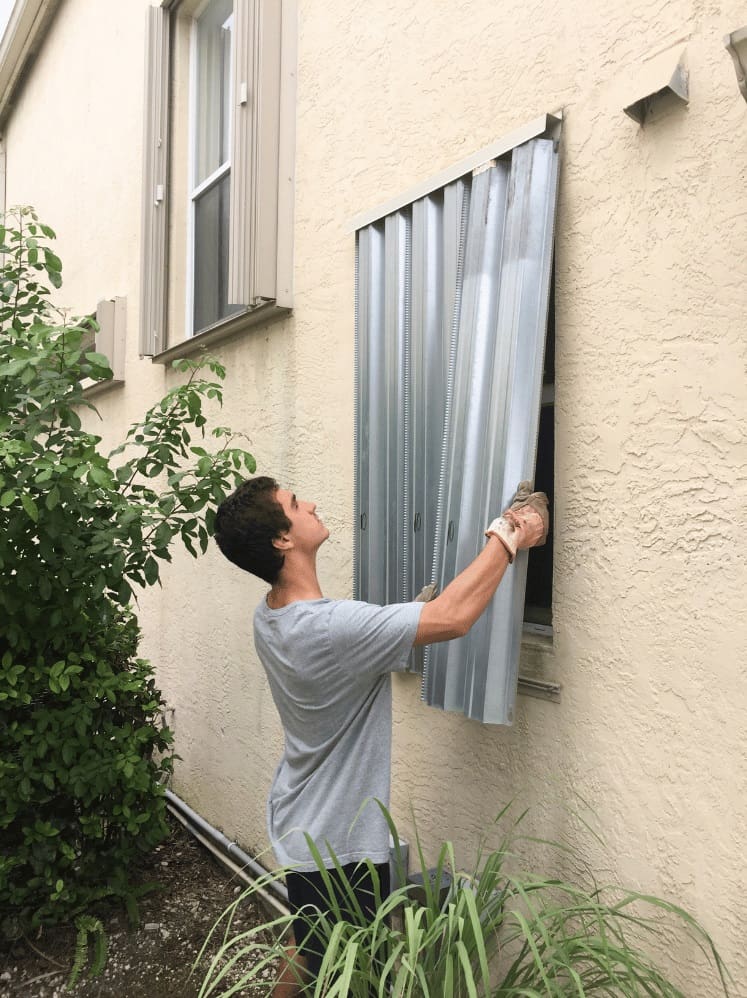
- Reinforce doors and windows: Install storm shutters for windows or use plywood to cover and protect them from flying debris. Strengthen exterior doors and garage doors with bracing kits.
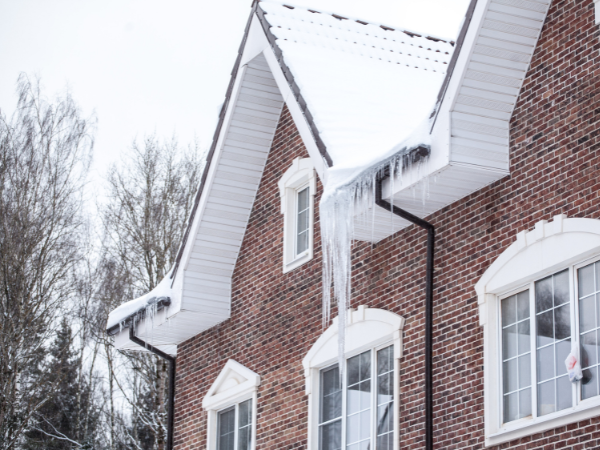
- Clear gutters and drains: Remove debris from gutters, downspouts, and drains to prevent flooding caused by blocked water flow.
- Inspect your roof: Check for loose shingles or tiles and repair damage to ensure your roof can handle high winds and heavy rain.
- Seal leaks: Look for cracks, gaps, or vulnerabilities around windows, doors, and walls, and seal them to prevent water intrusion during the storm.
- Elevate or relocate valuables: Move important belongings and electronics to higher places or waterproof storage containers to safeguard them from flooding.
- Locate your shut-off valves: Learn where the utility shut-offs for water, gas, and electricity are located in case you need to turn them off before the storm arrives.
Asset protection
- Document your belongings: Take photos or videos of your property, including furniture, electronics, and other valuables, to create a record for insurance claims.
- Review insurance policies: Confirm coverage for hurricane-related damages, such as wind, flooding, and debris cleanup, and update your policy, if needed. Consider additional flood insurance if you live in a high-risk area.
- Back up important documents: Digitally store critical files, like home deeds, insurance policies, and medical records, in secure cloud accounts or remote storage locations.
During a Hurricane
Family safety
- Seek shelter: Stay inside a secure, interior room or a space away from windows to minimize exposure to flying debris. Ideally, use a room on the lowest floor that is not prone to flooding.
- Monitor emergency alerts: Keep a charged phone and weather radio handy to stay updated about storm progression and evacuation orders.
- Avoid flood water: Do not wade through standing or moving water outside, as it may contain harmful debris, pollutants, or live electrical currents.
- Stay connected: Communicate with family members (if separated) or neighbors to ensure everyone’s safety and coordinate evacuation plans, if needed.
- If evacuation is necessary: Follow local authorities’ instructions and evacuate before conditions worsen. Leave early to avoid being trapped during the storm.
Home measures
- Turn off utilities: Shut off water, gas, and electricity if you suspect flooding or structural damage. This can minimize fire and electrical hazards.
- Move valuables to safety: If there is time, place important documents and essential items in waterproof bags or containers.
- Secure doors and windows: Close blinds, curtains, and shutters to reduce glass shattering risks from flying debris.
After a Hurricane
Family and home recovery
- Wait for official clearance: Listen to local authorities before returning to your home to ensure it is safe. Avoid driving through flooded areas or damaged neighborhoods.
- Inspect for structural damage: Check for cracks, leaks, or instability in walls, ceilings, and the foundation. Do not enter parts of your home that appear unsafe.
- Wear protective gear: Use gloves, boots, and masks when handling debris or cleaning up potential hazards, like broken glass or contaminated water.
- Avoid contaminated water: If your area floods, do not use tap water or well water until officials confirm it is safe for consumption. Boil any water used for drinking or cooking as a precaution.
- Monitor for mold: Dry out your home immediately to prevent mold growth in damp areas. Use fans and dehumidifiers to help eliminate excess moisture.
Property and asset recovery
- Document damage: Take detailed photos and videos of all damage to your home, landscaping, and belongings to support your insurance claims.
- Contact insurance providers: File claims for wind damage, flooding, or property loss as soon as possible.
- Save receipts: Keep receipts for cleanup, repairs, and temporary living expenses, as they may be reimbursed through your insurance or emergency relief programs.
- Inspect major systems: Hire professionals to check plumbing, electrical systems, and HVAC units for damage that could pose health or safety risks.
- Repair and restore: Address all structural damage promptly, and ensure repairs meet hurricane-resistant standards to safeguard your home against future storms.
Take proactive steps to mitigate loss
By preparing your family, securing your home, and protecting your assets in advance, you could minimize hurricane damage and recover more quickly after the storm. Taking proactive measures helps ensure resilience in the face of future hurricanes while keeping your loved ones safe. Implement these steps today to protect your home and family during hurricane season.
Let us help protect what matters most to you and your family.
This document is intended for general information purposes only and should not be construed as advice or opinions on any specific facts or circumstances. The content of this document is made available on an “as is” basis, without warranty of any kind. The Baldwin Insurance Group Holdings, LLC (“The Baldwin Group”), its affiliates, and subsidiaries do not guarantee that this information is, or can be relied on for, compliance with any law or regulation, assurance against preventable losses, or freedom from legal liability. This publication is not intended to be legal, underwriting, or any other type of professional advice. The Baldwin Group does not guarantee any particular outcome and makes no commitment to update any information herein or remove any items that are no longer accurate or complete. Furthermore, The Baldwin Group does not assume any liability to any person or organization for loss or damage caused by or resulting from any reliance placed on that content. Persons requiring advice should always consult an independent adviser.