Sustainable art collecting does not change the core principles of fine art insurance. Insurers still focus on where the artwork is located, how it is protected, and who is responsible for it at each step. Sustainable choices can support insurability, and they can also introduce new material sensitivities that collectors should plan for.
The Baldwin Group helps private art collectors align their collecting decisions with insurer expectations. This guide explains what sustainable art practices are, where they intersect with fine art insurance, and what to consider as you protect your collection.
Key takeaways
- Fine art insurance protects against sudden and accidental loss, not gradual wear, fading, or deterioration.
- Insurers evaluate location, building quality, climate controls, and custody before they evaluate “green” features.
- Eco-friendly packing is acceptable to underwriters when it meets drop, vibration, and moisture standards.
- Coverage is tied to documented market value from a professional appraisal, not purchase price.
- Planning ahead for storms, loans, and relocation helps keep coverage in place.
What is sustainable art collecting?
Sustainable art collecting is the practice of choosing, moving, displaying, and preserving artwork in ways that lower its environmental impact across its lifecycle. Collectors consider not only what they acquire, but how pieces are produced, moved, and cared for over time.
Sustainable art practices typically fall into five areas:
- Materials and methods: natural fibers, organic or non-toxic pigments, recycled or reclaimed substrates, water-based binders, low-VOC (volatile organic compound) varnishes, and lower-energy studio practices
- Transport and logistics: consolidated shipments, climate-smart routing, reusable or biodegradable packing, slow or sea freight where appropriate, and fewer, longer exhibitions rather than many short moves
- Display and storage: energy-efficient climate systems, LED museum-grade lighting, sealed cases or micro-climate frames, and buildings with resilient envelopes and flood and wind mitigation
- Conservation and preservation: preventive conservation to reduce interventions, minimally invasive treatments, and solvent reduction, where possible
- Documentation and stewardship: strong provenance and condition reporting, lender agreements that minimize unnecessary transit, and policies that balance carbon, cost, and risk
How does sustainable art collecting affect fine art insurance?
Sustainable choices do not change how fine art insurance works to protect your assets, but they can influence how insurers view a collection. Resilient locations, reliable controls, and professional custody can improve insurability. Eco-friendly materials can add sensitivities, and those sensitivities make display and care especially important.
Fine art insurance covers sudden and accidental loss. It does not cover gradual deterioration, such as wear or fading. Coverage decisions therefore depend on three questions, especially in catastrophe-exposed regions and during transit:
- Where is the art located?
- How is the art protected?
- Who is responsible during each step?
Artwork made with natural fibers, organic pigments, or other unconventional materials is generally insured like other fine art. These materials can be more sensitive to light, humidity, and temperature changes. Organic dyes can fade faster, and biodegradable supports can be sensitive to moisture.
Works on recycled paper or plant-based substrates, or works created with water-soluble binders, may call for tighter environmental tolerances and more frequent condition checks. This does not typically increase insurable value but it can influence underwriting requirements and recommendations.
Coverage is tied to a piece’s documented market value, not its fragility. Insurers typically require a professional appraisal, often for items valued at $100,000 or more.
What else to know: Keep artwork out of direct sunlight and away from vents and high-traffic areas. Ask your conservator whether the sustainable materials in your works call for stricter light levels (measured in lux), UV filtration, or micro-climate frames.
How do sustainable storage and display affect insurability?
Insurers look first at location, structure, and controls. LED museum-grade lighting and efficient climate systems are helpful, but they generally carry less weight than building quality, climate stability, security, and geographic exposure.
Energy-efficient retrofits are positive signals to underwriters, often more so than any single “green” feature. These include tight building envelopes, leak detection, automated alerts, and stable relative humidity and temperature. Purpose-built storage with reliable monitoring and elevation meaningfully improves insurability and continuity of coverage.
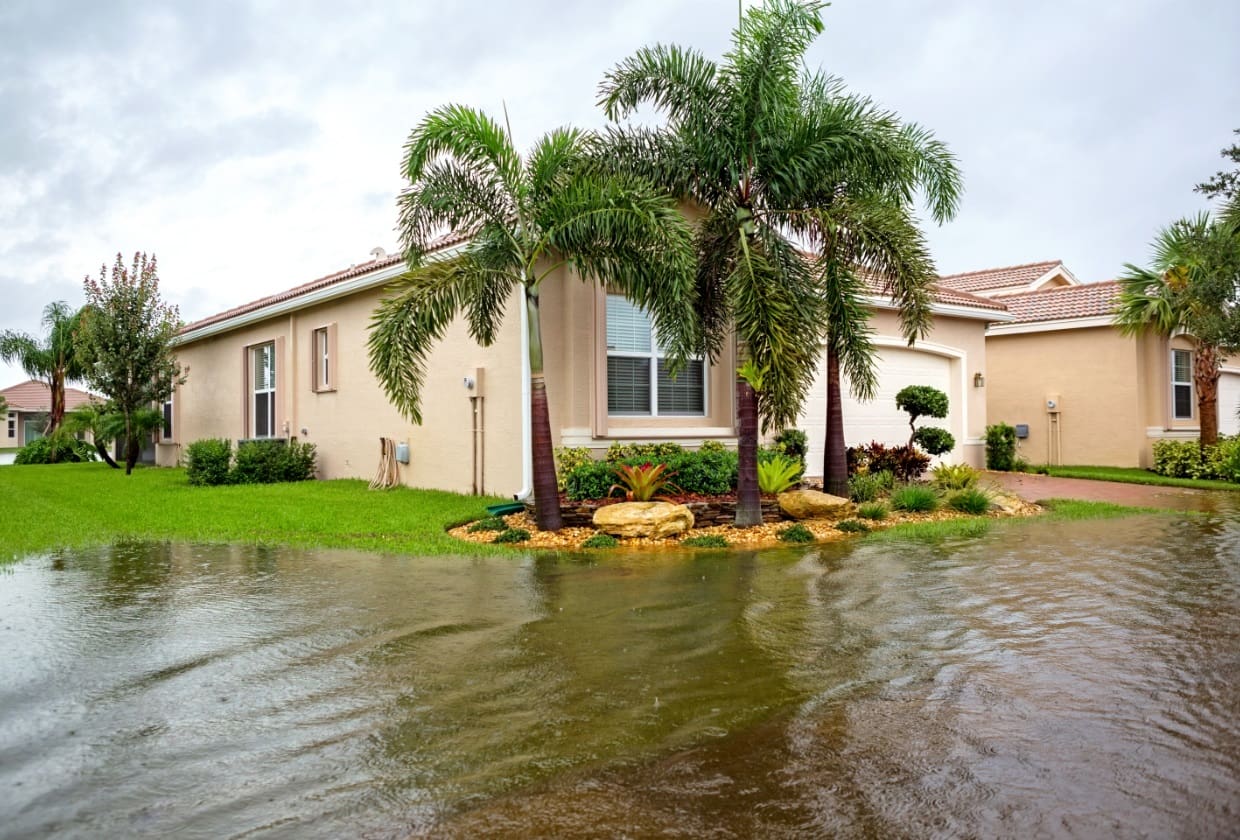
After an uptick in severe weather events, some insurers have restricted or declined coverage for high-value collections in certain coastal properties or older buildings. As a result, collectors are increasingly relocating art, wine, and other valuables to inland or purpose-built storage, such as vaults or car condos. These facilities offer monitored climate, enhanced security, and elevation.
Collectors with multiple residences often place assets in the most insurable environment, not the most convenient one.
What else to know: Energy efficiency is a plus. Resilience to flood, wind, and fire is foundational.
How does shipping and lending affect fine art coverage?
Moving or lending art is one of the most common points where coverage can break down. Insurers focus on who controls the artwork at every stage, regardless of whether the shipping method is sustainable.
Consolidated or slower shipping can reduce carbon, but it can also extend exposure time. Underwriters typically expect:
- Professional fine art shippers
- Appropriate packing
- Climate-controlled transport
- Condition reports
- Clear custody
- Documented security standards
Eco-friendly packing is acceptable when it meets drop, vibration, and moisture standards for the piece.
When you loan art to a gallery or museum, or move it between homes or storage facilities, confirm in writing who is responsible for coverage during transit, storage, and exhibition. A certificate of insurance is a document that confirms an insurance policy is in place and shows its terms. For loans, obtain certificates of insurance and loan agreements that detail responsibility, limits, and deductibles.
What else to know: Coverage should follow the artwork wherever it goes, but only when conditions meet insurer expectations.
How often should collectors update art appraisals?
Collectors should review professional appraisals every three to five years, or more often if market conditions shift. Art markets are constantly changing. Certain styles, subjects, or materials can rise in popularity and later fall out of favor, which affects value over time.
Regular appraisal reviews help keep a collection from becoming materially under-insured or over-insured. Insurers rely on professional appraisals by art experts and tie coverage to documented market value, not prior purchase price or perceived popularity.
Works celebrated for sustainable materials or process can see market volatility as taste evolves. Document medium, technique, and condition thoroughly, especially when longevity is tied to stricter display conditions. This helps appraisers and underwriters understand value and condition accurately.
AI-assisted image searches can help collectors spot market trends or prompt a closer look but they do not replace a qualified appraiser.
What else to know: Coverage works best when appraisals reflect today’s market, not yesterday’s demand.
How does loss prevention help protect an art collection?
Loss prevention reduces the likelihood and severity of a loss before it happens. For art and collectibles, it often includes:
- Repositioning or temporarily relocating pieces before a storm
- Keeping pieces out of high-traffic areas and entryways
- Avoiding placement near vents that can drip
- Maintaining stable, secure conditions day to day
- Securing jewelry and small valuables
- Managing access during events and service visits
Preventive conservation benefits both sustainability and insurability: it helps extend the life of a work and reduce claims. In high-risk seasons, a pre-planned relocation can be the difference between maintained coverage and restricted renewal options.
What coverages do private art collections need?
Private art collections typically rely on four key protections:
- Scheduled fine art coverage insures each piece at its appraised value, regardless of material or medium.
- Worldwide transit coverage protects items on loan during shipping, storage, and exhibitions.
- Conservation and restoration coverage can support eco-friendly restoration methods if a piece is damaged.
- Valuation support helps ensure works made of delicate or sustainable materials are accurately appraised over time.
What should collectors consider?
Before you adjust how you collect, display, or move art, consider these points:
- Does the building’s quality, climate stability, security, and exposure to flood, wind, and fire support coverage?
- Do your sustainable materials require tighter light, humidity, or temperature controls?
- Is there a professional appraisal on file, and is it current?
- Is responsibility for coverage documented in writing for every loan, move, and exhibition?
- Is there a plan to relocate pieces before major weather events?
What are the benefits of aligning sustainable practices with insurance requirements?
Aligning sustainable practices with insurer expectations helps collectors protect both the environment and the collection. Benefits can include:
- Stronger positioning with underwriters through resilient storage, monitoring, and professional custody
- Fewer claims through preventive conservation
- Clearer coverage during loans, transit, and exhibitions
- Accurate valuations that keep coverage aligned with today’s market
- Continuity of coverage when severe weather events affect insurer appetite
How can The Baldwin Group help protect your art collection?
The Baldwin Group’s advisors serve as risk managers for private art collections. We help you identify exposures early and align collecting decisions with insurer requirements. Together, we can:
- Identify vulnerabilities before a loss – Draw on real‑world claims experience and ongoing insurer connections to flag where artwork may be most exposed, by location, structure, storage, or display.
- Assess where and how art is stored or displayed – Evaluate homes, secondary residences, and off‑site facilities for climate control, building quality, security, and catastrophic exposure that can affect insurability.
- Advise about relocation and storage – Help clients determine when assets may need to be moved, temporarily or permanently, to more insurable environments, such as inland storage facilities.
- Coordinate expertise beyond insurance – Work with appraisers, conservators, fine‑art shippers, and insurer‑recommended specialists to support proper valuation, handling, and preservation.
- Maintain valuation discipline – Encourage regular appraisal updates, typically every three-to-five years, and identify opportunities where insurers may offer incentives for more frequent reviews.
- Support proactive loss-control planning – Establish practical protocols for storms, loans, exhibitions, service visits, and events so coverage remains intact even when the chances for damage may be higher than normal.
Frequently asked questions
Does sustainable art make fine art insurance more expensive or harder to get?
Sustainable art is generally insured like other fine art. Materials with greater sensitivity to light, humidity, or temperature can lead to underwriting requirements, such as tighter environmental controls or more frequent condition checks. These requirements typically do not change the insured value.
Can I insure a fragile or eco-friendly artwork for more than its market value?
No. Coverage is tied to the documented market value from a professional appraisal, not to fragility, purchase price, or popularity.
Does eco-friendly packing affect fine art coverage?
Eco-friendly packing is acceptable to underwriters when it meets drop, vibration, and moisture standards for the piece. Insurers also expect professional fine art shippers, climate-controlled transport, condition reports, and clear custody.
Why are some collectors moving art to inland storage?
After an uptick in severe weather events, some insurers have restricted or declined coverage for high-value collections in certain coastal properties or older buildings. Collectors are relocating art to inland or purpose-built storage with monitored climate, enhanced security, and elevation to help keep it insured.
How often should I update my art appraisals?
Review professional appraisals every three to five years, or more often if market conditions shift. Regular updates help keep coverage aligned with current market value.
Who is responsible for my art when it is on loan?
Responsibility depends on the loan agreement. Confirm in writing who is responsible for coverage during transit, storage, and exhibition, and obtain a certificate of insurance and loan agreement that detail responsibility, limits, and deductibles.
This document is intended for general information purposes only and should not be construed as advice or opinions on any specific facts or circumstances. The content of this document is made available on an “as is” basis, without warranty of any kind. The Baldwin Insurance Group Holdings, LLC (“The Baldwin Group”), its affiliates, and subsidiaries do not guarantee that this information is, or can be relied on for, compliance with any law or regulation, assurance against preventable losses, or freedom from legal liability. This publication is not intended to be legal, underwriting, or any other type of professional advice. The Baldwin Group does not guarantee any particular outcome and makes no commitment to update any information herein or remove any items that are no longer accurate or complete. Furthermore, The Baldwin Group does not assume any liability to any person or organization for loss or damage caused by or resulting from any reliance placed on that content. Persons requiring advice should always consult an independent adviser.
Stay one step ahead
Discover expert insights to help you understand industry trends and emerging risks, so you can act proactively to better protect your business.